Prime or zoom
A 50mm-equivalent f/1.8 weighs about 200 grams; a constant f/2.8 standard zoom starts around 700. Which one you want comes down to what you will trade: aperture, weight, money, and a habit no spec sheet mentions, because each kind of lens trains you to shoot differently.
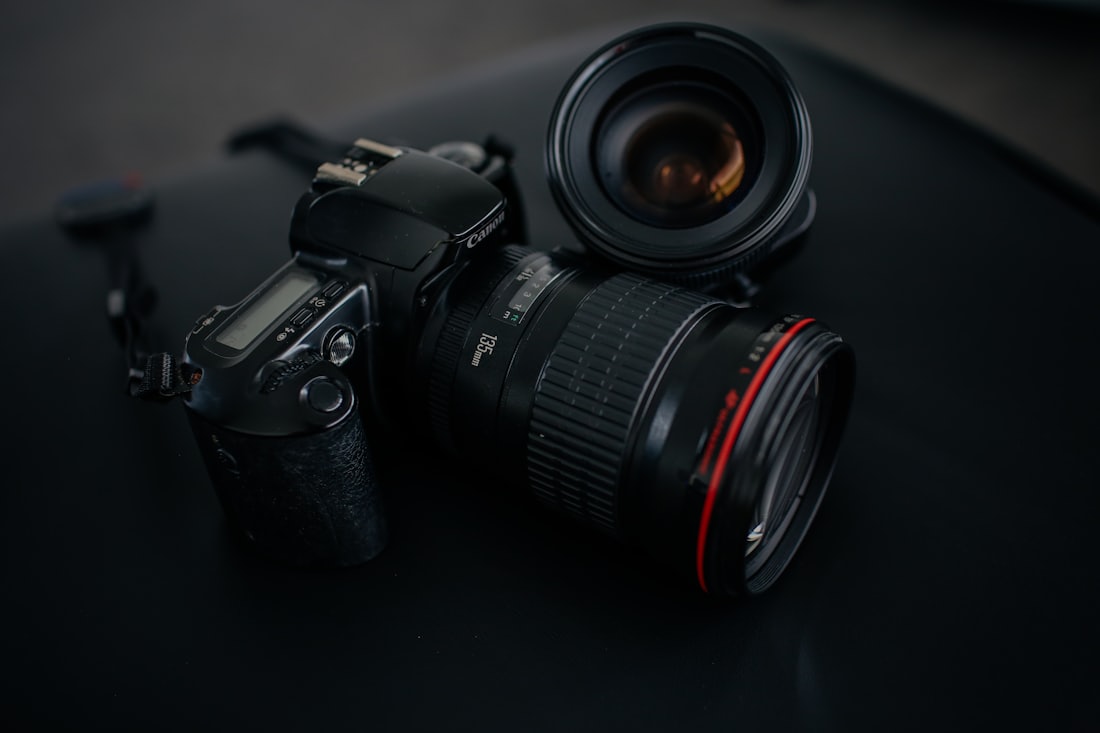
1. Where the differences come from
A prime has one focal length. A zoom covers a range, so its element groups have to slide around and still form a decent image at every setting. You pay for that in aperture and bulk.

| Prime | Zoom | |
|---|---|---|
| Maximum aperture | f/1.2–f/2 is normal | Constant f/2.8 is premium; kit lenses are f/3.5–5.6 |
| Coverage | One angle of view | A range |
| Size at matched aperture | Clearly smaller | Clearly bigger and dearer |
| Covering several angles | Buy several, swap them | One lens does it |
2. What the extra stops buy
f/1.8 is nearly two stops faster than f/3.5. Two stops gets you two things:
- Four times the shutter speed in the same light, or a quarter of the ISO. Indoors, at dusk or at a gig, that often decides whether the frame is usable.
- Shallower depth of field, so backgrounds melt away. That's why most people buy a fast prime.
Wider isn't automatically better. An f/1.4 wide open up close can give you a few centimetres of focus: the eye is sharp, the nose isn't. Plenty of people buy f/1.4 and live at f/2. Treat it as headroom. More in aperture and depth of field.
3. Size, weight, and whether it leaves the house
A 50mm-equivalent f/1.8 is typically around 200 grams and fits in a coat pocket. A constant f/2.8 standard zoom usually runs past 700 grams, and on a body it becomes something you decide to carry.
4. The optical gap is smaller than you think
- Centre sharpness caught up years ago. Stop a good modern zoom down by one and you won't tell it from a current prime at normal viewing sizes.
- The gap shows up in corners wide open, vignetting, distortion and fringing. Most of it cleans up a stop or two down, and lens corrections handle some of the rest.
- Big zoom ratios do cost you. An 18–200mm-equivalent superzoom goes soft at the long end, distorts visibly and is slow throughout.
In practice, sharpness usually goes to missed focus, a shutter speed that was too slow (see hand-holding), or bad light. Any of those outweighs the resolution gap between two decent lenses.
5. Two lenses, two habits
No spec sheet lists this, and for a beginner it matters most.
- A prime makes you move. The framing is fixed, so you compose by stepping in, backing off, crouching, walking round. A month or two of that and compression comes from distance is something you have walked, not read.
- A zoom lets you stand still. One twist and the framing is done, so a lot of pictures get taken from wherever you happened to be standing.
A useful compromise: treat the zoom as three primes. Pick 24, 35 or 50mm for the day, leave the ring there, and use your feet.
6. Choosing your first one
| Mostly shooting | Suggestion | Why |
|---|---|---|
| Everyday, street | 35mm-equivalent prime | Keeps the surroundings without putting you in someone's face |
| Portraits | 50 or 85mm-equivalent prime | Working distance keeps faces natural and backgrounds clean |
| Travel, one lens | 24–70mm-equivalent zoom | Covers nearly everything, a stop or two slower |
| Indoor events, low light | Fast prime | Buying shutter speed with aperture beats cranking the ISO |
| Not sure yet | The kit zoom you have | Shoot a month and let the EXIF answer |
7. FAQ
If I can only buy one, prime or zoom?
If you know what you mostly shoot, buy a prime at that focal length and enjoy the extra aperture and the lighter bag. If you don't, shoot a month with a zoom and let the focal lengths in your own files decide.
Are primes always sharper?
At the same price, usually. A high-end zoom against a cheap prime can go the other way. And in the field, focus, shutter speed and light cost you far more sharpness than the gap between two decent lenses.
Is a phone's "2x" or "3x" a prime or a zoom?
A multi-camera phone is several primes side by side: ultra-wide, main and telephoto each have one fixed focal length. Settings in between are mostly crops plus interpolation, so image quality peaks right on the labelled steps.
Is a constant aperture worth the money?
Yes if you shoot in low light, or need the exposure to hold steady while you zoom: events, weddings, studio work. If you mostly shoot outdoors in daylight, spend the difference elsewhere.